


It’s normal to have questions about your dental health. Whether you’re wondering how often you should schedule a cleaning, dealing with an unexpected toothache, or trying to improve your oral hygiene routine, having reliable information can help you make confident decisions about your care.
At Center for Dental Excellence in Nashua, NH, we believe great dentistry starts with listening. Led by Dr. Andy Janiga, our privately owned practice takes a relationship-based approach to dental care. Rather than focusing on individual teeth in isolation, we consider your overall oral health, personal goals, and long-term needs when recommending treatment.
We also believe patients should feel comfortable asking questions and understanding their options. To help you get started, we’ve answered some common questions we hear from our dental patients.
Why Do I Need to Visit the Dentist Regularly?
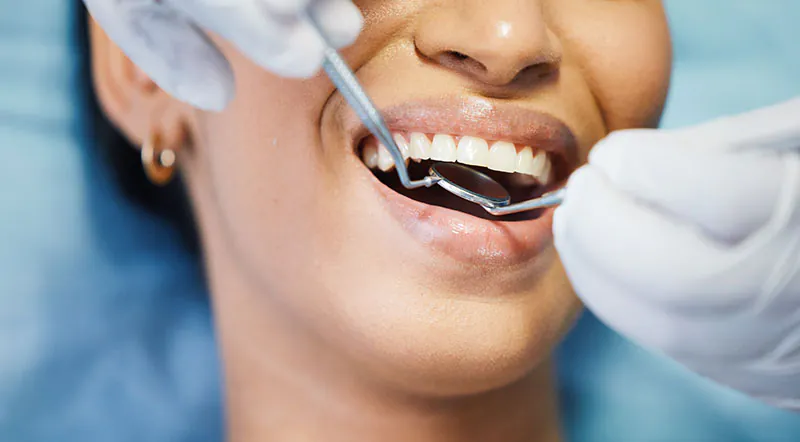
Regular dental visits help prevent problems, identify concerns early, and keep your teeth and gums healthy. Even if your teeth feel fine, issues like cavities and gum disease can develop without obvious symptoms.
During a routine dental visit, your dentist and hygienist can:
- Remove plaque and tartar that regular brushing and flossing may miss.
- Check for cavities, gum inflammation, and other signs of oral health concerns.
- Evaluate existing dental work, such as fillings and crowns.
- Screen for signs of oral cancer.
- Monitor changes in your bite, teeth, and gums.
- Recommend preventive care based on your individual needs.
Most patients benefit from professional cleanings and exams every six months, although some people may need more frequent visits depending on their oral health.
At Center for Dental Excellence, we look beyond what’s happening with individual teeth. Dr. Janiga and our team consider how your bite, gums, jaw, and overall oral health work together. This comprehensive approach helps us identify potential concerns and develop treatment plans that support your long-term well-being.
I Knocked Out a Tooth. What Should I Do?
A knocked-out permanent tooth is a dental emergency that requires immediate attention. Acting quickly can improve the chances of saving the tooth, so it’s important to contact your dentist right away.
If a permanent tooth is knocked out:
- Find the tooth: Pick it up by the crown, which is the visible chewing portion. Avoid touching the root.
- Rinse it gently: If the tooth is dirty, rinse it briefly with milk or saline. Avoid scrubbing it or removing attached tissue.
- Try to reposition it: If possible, gently place the tooth back into its socket, making sure it’s facing the correct direction. Don’t force it.
- Keep it moist: If you can’t reposition the tooth, place it in a container of milk or an appropriate tooth-preservation solution. Avoid letting it dry out.
- Get emergency dental care: Contact your dentist immediately and explain what happened.
Time is especially important with a knocked-out permanent tooth. Ideally, it should be evaluated within 30 minutes.
If a baby tooth is knocked out, don’t attempt to put it back into the socket. Contact your dentist for guidance.
At Center for Dental Excellence, we reserve same-day emergency appointment availability for urgent dental concerns, including knocked-out or loose teeth. If you experience a dental injury, call our Nashua office at (603) 886-5500 as soon as possible.
What Should I Do When I Experience Tooth Pain?
Tooth pain can happen for several reasons, including cavities, cracked teeth, damaged fillings, gum infections, or problems affecting the inner pulp of a tooth. If you’re experiencing discomfort, don’t assume it will go away on its own. Even mild or intermittent pain can indicate an underlying issue that needs attention.
While waiting for your appointment with us at Center for Dental Excellence, you can:
- Rinse your mouth gently with warm salt water.
- Carefully floss around the affected tooth to remove trapped food.
- Apply a cold compress to the outside of your cheek if you have swelling.
- Avoid chewing on the painful side of your mouth.
- Choose softer foods and avoid extremely hot, cold, or sugary items if they trigger sensitivity.
- Take an over-the-counter pain reliever if appropriate for you and follow the product instructions.
Avoid placing aspirin directly against your tooth or gums, as this can irritate the tissue. If you experience severe or persistent pain, swelling, fever, or signs of infection, seek prompt dental care. Difficulty breathing or swallowing requires emergency medical attention.
Center for Dental Excellence offers same-day emergency appointments whenever possible. Our goal is to identify what’s causing your discomfort, relieve the immediate problem, and determine what treatment will best protect your oral health moving forward.
How Can I Practice Good Oral Hygiene at Home?
A healthy smile starts with consistent habits between dental appointments. Brushing and flossing every day help remove plaque, reduce your risk of cavities, and support healthy gums.
Here are a few ways to maintain a good oral hygiene routine:
- Brush twice a day: Use a soft-bristled toothbrush and fluoride toothpaste for two minutes each time.
- Floss daily: Clean between your teeth at least once a day to remove plaque and food particles your toothbrush can’t reach.
- Clean your tongue: Bacteria can accumulate on your tongue, so gently brush it or use a tongue scraper.
- Drink plenty of water: Water helps rinse away food particles and supports saliva production.
- Limit frequent sugar exposure: Try to reduce sugary snacks and drinks throughout the day, since frequent exposure can increase your risk of cavities.
- Replace your toothbrush regularly: Switch to a new toothbrush or brush head approximately every three to four months, or sooner if the bristles become frayed.
It’s also important to remember that good oral hygiene looks a little different for everyone. If you have dental implants, crowns, braces, or other restorations, your dentist may recommend specific tools or techniques to help keep those areas clean.
At Center for Dental Excellence, we take time to explain what we’re seeing during your exam and offer practical recommendations you can use at home.
How Often Should I Get a Dental Cleaning?
Many patients benefit from professional dental cleanings every six months. However, the ideal schedule depends on your oral health, history of gum disease, and risk of developing dental problems.
Even with consistent brushing and flossing, plaque can harden into tartar over time. Once that happens, it cannot be removed with a regular toothbrush. Professional cleanings help remove these deposits and keep your gums healthier.
Patients with a history of periodontal disease or other specific concerns may need cleanings more frequently. Your dental team can recommend a schedule based on your needs.
What Happens During a Comprehensive Dental Exam?
A comprehensive dental exam looks at more than just whether you have cavities. It allows your dentist to evaluate your overall oral health and identify concerns that may affect your smile over time.
At Center for Dental Excellence, we take a thoughtful approach to new-patient visits. We reserve approximately 1.5 hours for these appointments so there’s enough time to get to know you, understand your concerns, and complete a thorough evaluation without feeling rushed.
Depending on your needs, your exam may include:
- An evaluation of your teeth and existing restorations.
- An assessment of your gums and periodontal health.
- An examination of your bite and jaw function.
- An oral cancer screening.
- Digital X-rays or other imaging when appropriate.
- A discussion of your dental history, goals, and treatment options.
We also use advanced technology, including CBCT 3D imaging, digital impressions, and intraoral cameras, to help evaluate dental concerns and explain our findings.
If you have more complex dental needs, we may schedule additional time to review your results and discuss potential treatment options in greater detail.
Why Is My Dentist Recommending a Crown Instead of a Filling?
Fillings and crowns both restore damaged teeth, but they serve different purposes.
A filling is generally used to repair a smaller area of decay or damage while preserving as much natural tooth structure as possible. A crown covers the visible portion of a tooth and provides additional strength and protection.
Your dentist may recommend a crown if a tooth has:
- Extensive decay or a large existing filling.
- A significant crack or fracture.
- Severe wear or weakened tooth structure.
- Undergone root canal treatment and needs additional protection.
At Center for Dental Excellence, we offer CEREC same-day crowns. This technology allows many crowns to be digitally designed and fabricated in our office, often eliminating the need for a temporary crown and a second appointment.
The best restoration depends on the condition of your tooth. Our goal is to recommend the most conservative option that provides the strength and protection you need.
What If I’m Nervous About Going to the Dentist?
Dental anxiety is common, and you don’t need to feel embarrassed about it. Whether you’ve had an uncomfortable experience in the past or simply feel uneasy about dental treatment, it’s important to find a team that listens to your concerns.
At Center for Dental Excellence, we intentionally operate as a smaller, relationship-based practice. We take the time to understand your preferences, explain what to expect, and make sure you feel comfortable asking questions.
Our office also offers thoughtful comfort amenities, including pillows, blankets, chilled bottled water, and seltzers. For patients who need additional support, oral conscious sedation may also be an option for appropriate procedures. Dr. Janiga and our team want you to feel informed and in control of your dental care. You should never feel rushed or pressured into treatment.
What Should I Do If I Haven’t Been to the Dentist in a Few Years?
First, don’t feel embarrassed. Life gets busy, and many people go longer than planned between dental appointments. The important thing is taking the next step toward caring for your oral health.
Even if you aren’t experiencing pain, a dental exam can help identify concerns that may have developed while you were away. You may need a professional cleaning, updated X-rays, or treatment for cavities or gum disease.
At Center for Dental Excellence, we welcome patients at every stage of their dental health journey. Our extended new-patient appointments give us time to understand your history, listen to your concerns, and create a plan that makes sense for you.
You don’t have to address everything at once. We’ll help you understand your options and prioritize treatment based on your needs and goals.
Have More Questions? We’re Here to Help at Center for Dental Excellence
Your dental health is personal, and you deserve answers that take your individual needs into account. Whether you’re due for a routine cleaning, experiencing unexpected tooth pain, or exploring options to improve your smile, having a dental team you trust can make all the difference.
At Center for Dental Excellence, Dr. Andy Janiga and our team believe in building lasting relationships through thoughtful communication, comprehensive care, and a commitment to doing things well. As a privately owned practice serving Nashua and surrounding communities since 1989, we’re proud to provide personalized dentistry for individuals and families.
If you have questions about your oral health or are ready to schedule an appointment, contact Center for Dental Excellence. We look forward to caring for your smile!